


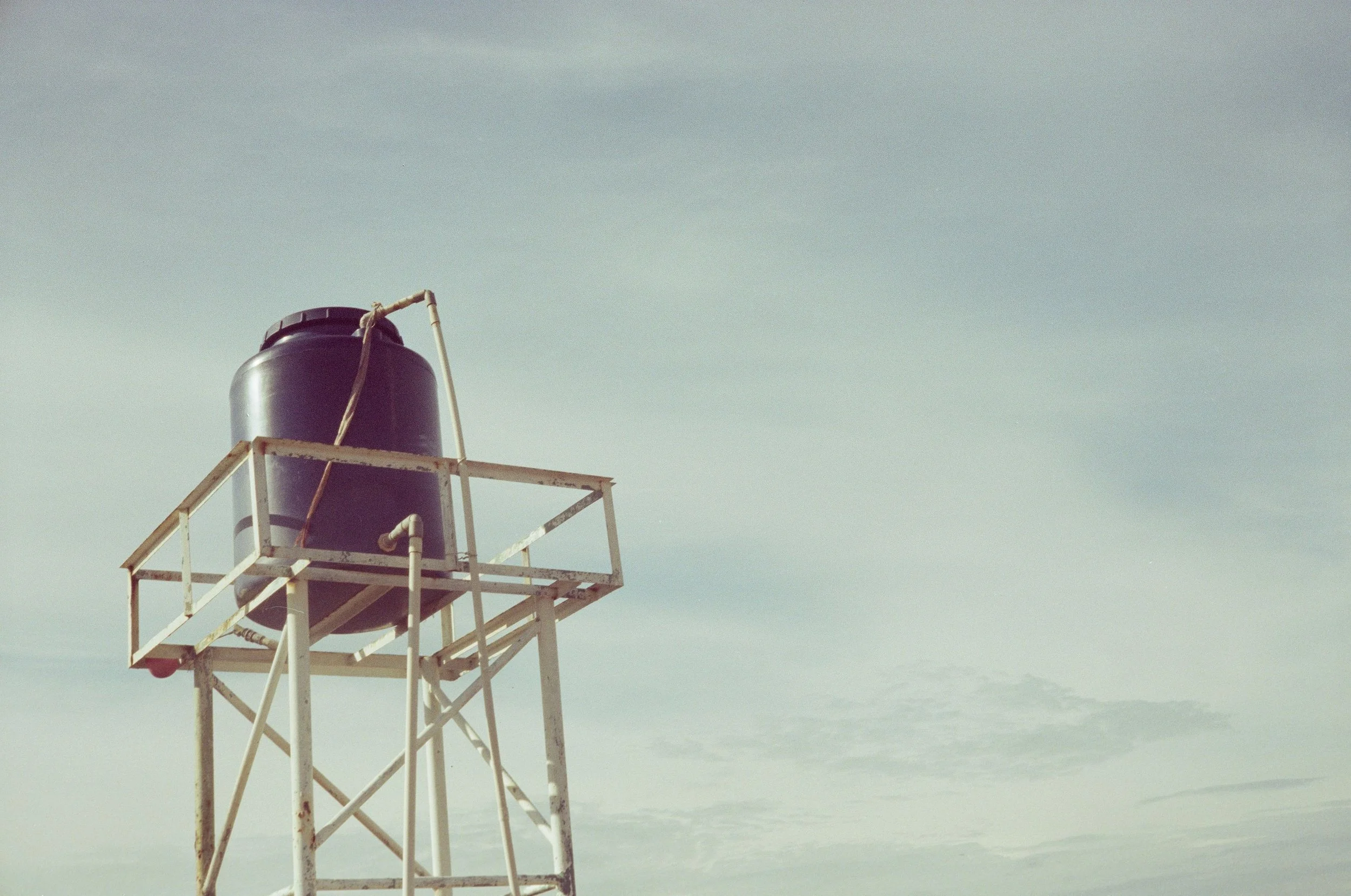





In this episode of Conservation Stories, Tillery Timmons Sims is joined by attorney, Texas Tech professor, and renewable energy consultant Kassandra McQuillen for a conversation about the rapid development of data centers in West Texas. Together, they unpack what data centers are, why they require significant energy and water resources, and what proposed projects could mean for communities, landowners, and the Ogallala Aquifer.


n this episode of Conservation Stories, Tillery Timmons-Sims talks with Paul Sousa, a California dairy advocate and former water-quality regulator, about what the rest of agriculture can learn from California’s intense regulatory environment. Their conversation looks at the tension between environmental compliance and agricultural viability, especially around water, groundwater nitrates, methane reduction, and the rising cost of regulation for producers.
In this episode of Conservation Stories, Tillery Timmons-Sims talks with Arkansas farmer Adam Chappell about the economic pressures reshaping modern agriculture, from corporate consolidation and weakened competition to the policy choices that keep farmers trapped in an increasingly fragile commodity system. Drawing on both lived experience and hard data, Chappell explains how seed, chemical, machinery, and grain markets have become so concentrated that many farmers have little real choice in what they buy, grow, or sell, even as their margins collapse. The conversation also explores the emotional and cultural cost of that system: the decline of rural community, the loss of farmer solidarity, the barriers to diversification, and the growing disconnect between consumers, policymakers, and the people producing food.
The Cotter-Vardeman
Conservation Story:
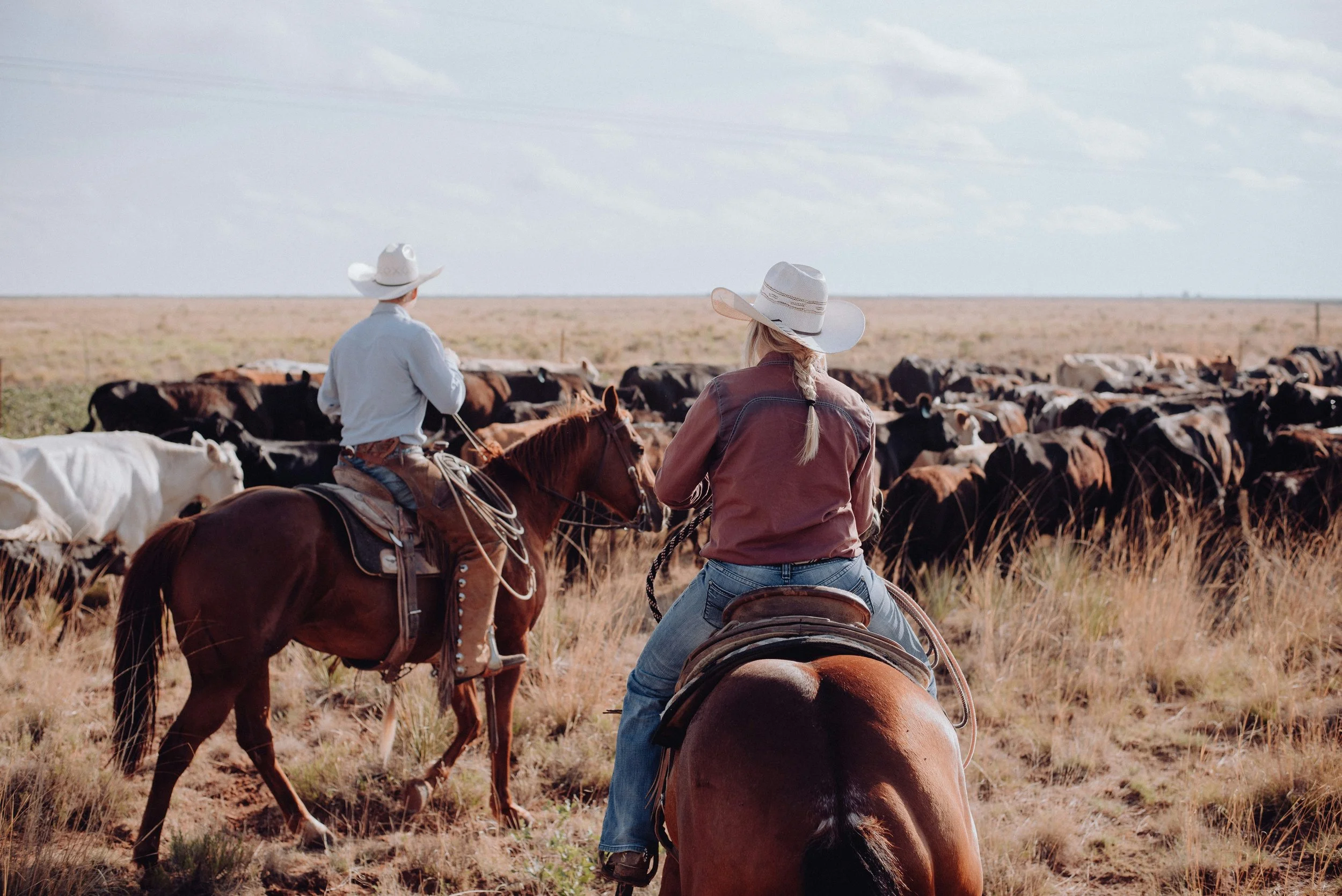
Lacy Cotter-Vardeman is a fifth-generation rancher and farmer with a passion for conservation. She’s seen first-hand the challenges of farming in West Texas and has found innovative solutions to problems such as a depleting water supply and spent soil. Thanks to her conservation efforts, her soil has been brought back to life and springs well up from the ground.