
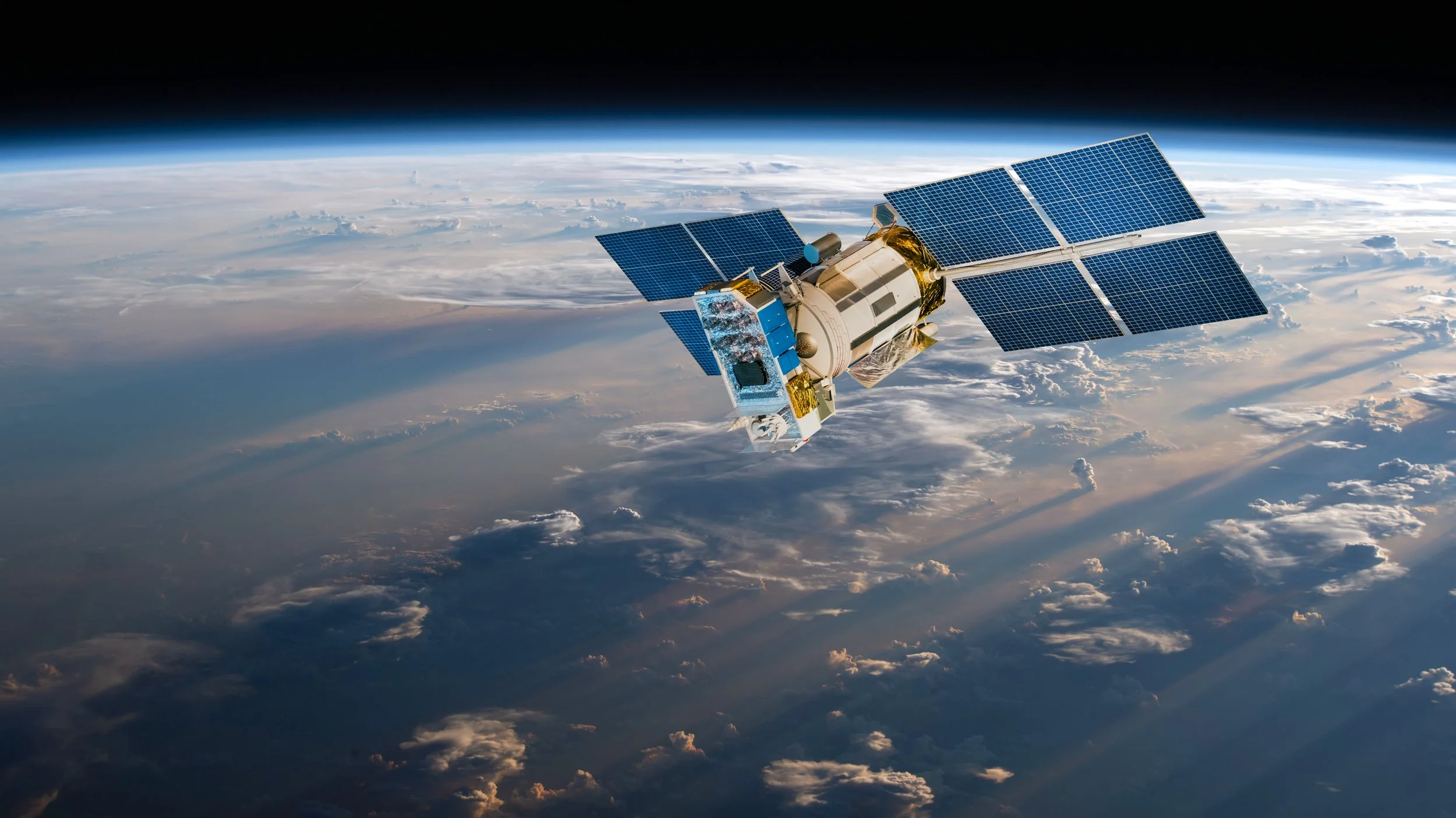
NASA Space4Ag Tour
Sandhills Area Research Association | August 23–28, 2026 | Texas, Oklahoma, Kansas
SARA Conservation hosted the Space for Agriculture Tour on August 23 through 28, 2026, across West Texas, Oklahoma, and Kansas. Look out for information for next year coming soon!
The tour brings agricultural producers together with NASA's Earth Science Division and research partners so they can hear directly from the people working the land. What producers share about cotton, sorghum, cattle, water management, and daily operations will help NASA shape smarter decisions on future models, observation systems, and science applications, and give everyone involved a chance to work together on solutions that hold up in the field.
Thank you to everyone who participated.
We’ll look forward to next year!
A listening tour across Texas, Oklahoma, and Kansas — connecting the farmers and ranchers who work this ground with the NASA scientists building the tools meant to serve them.
Texas: Aug 23–26
Oklahoma: Aug 26–27
Kansas: Aug 28
NASA Agriculture Program
The NASA Agriculture program area promotes the use of Earth observations to strengthen food security, support market stability, and protect human livelihoods. Building on NASA's 60 years of agriculture engagement, the program leverages a unique vantage point from space to deliver free and open data, technology, and resources that help producers mitigate the impacts of changing weather patterns, bolster agricultural resilience, and support our nation's ability to feed itself. Through targeted domestic and international consortia, the program translates spaceborne data into actionable insights for growers, policy makers, and land managers worldwide.
NASA Acres
As the U.S.-focused arm of the NASA Agriculture Program, NASA Acres exists to take that high-altitude vantage point and turn it into practical tools American producers can use in the field. Built to bridge the gap between space research and ground-level decisions, NASA Acres works directly with local farming communities to make satellite data useful, actionable, and tailored to real-world operational needs.
FIAT (Farmer Innovation Ambassador Team)
FIAT flips the traditional research model by putting working farmers and ranchers directly alongside NASA researchers. As a core effort under NASA Acres, this team shapes which questions get asked and tests whether the resulting tools actually hold up on real ground. Because the underlying NASA data is taxpayer-funded, the resulting insights and tools remain free and open to all producers.
Space4Ag Tour Agenda
August 23 - 28, 2026
Sunday, August 23 — Arrival, Lubbock, TX
Casual Meet Up at Midnight Shift, Cotton Court Hotel
Monday, August 24 — Terry County, TX
Bingham Organic Farms & Vineyard tour, lunch at The Armory, IPG peanut processing tour, peanut research farm tour with Mason Becker, tour of the Barker Research Farm, dinner at Escondido Grill
Tuesday, August 25 — North of Lubbock, TX
Barry Evans Farm tour, lunch & tour at the TAMU AgriLife Research Station, Broadview Ag tour, Vardeman Farms tour, roundtable dinner with local farmers at the Vardeman home
Wednesday, August 26 — Lubbock to Sulphur, OK
TTU Fiber & Biopolymer Research Institute tour, drive to Bergen Ranch, ranch tour and dinner, overnight at The Artesian Hotel, Sulphur, OK
Thursday, August 27 — Kent Martin, OK
Travel to Kent Martin, visit Northwestern Oklahoma State University, driving tour of surrounding farms with Kent Martin, dinner Alva Beer Company, 2.5 hour travel to Hutchinson, KS, overnight at Hilton Garden Inn
Friday, August 28 — Hutchinson, KS / Depart
Morning: Bus tour of Flikner Farms, Tour and lunch at the Cosmosphere Museum in Hutchinson. Wrap-up and travel home — Eisenhower National Airport in Wichita is about an hour away.
Travel Information
Hotel Reservations at federal rates can be made through the following links
Please note the cut off dates for the discount
The Artisan, Sulphur, OK, 580-622-8101, Code Room26 (cut off August 12th)
Flights and Airport Information:
Meet the NASA & NASA Acres Team
The following NASA and NASA Acres leaders, scientists, and program staff are participating in the Space for Agriculture Tour.
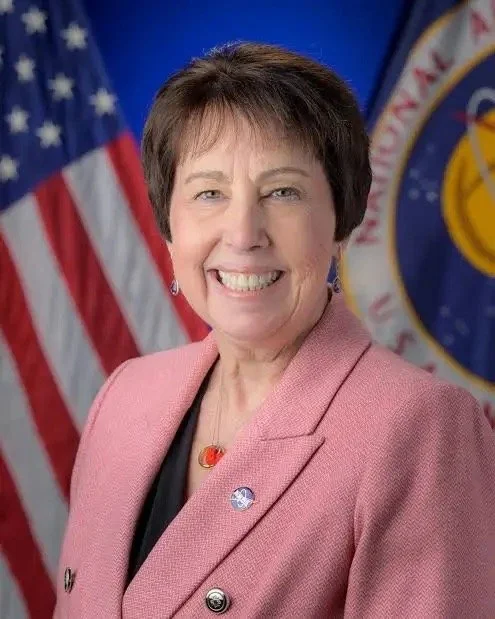

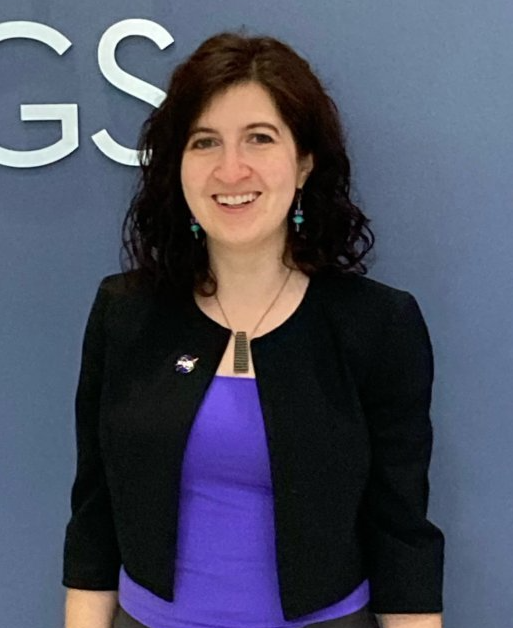

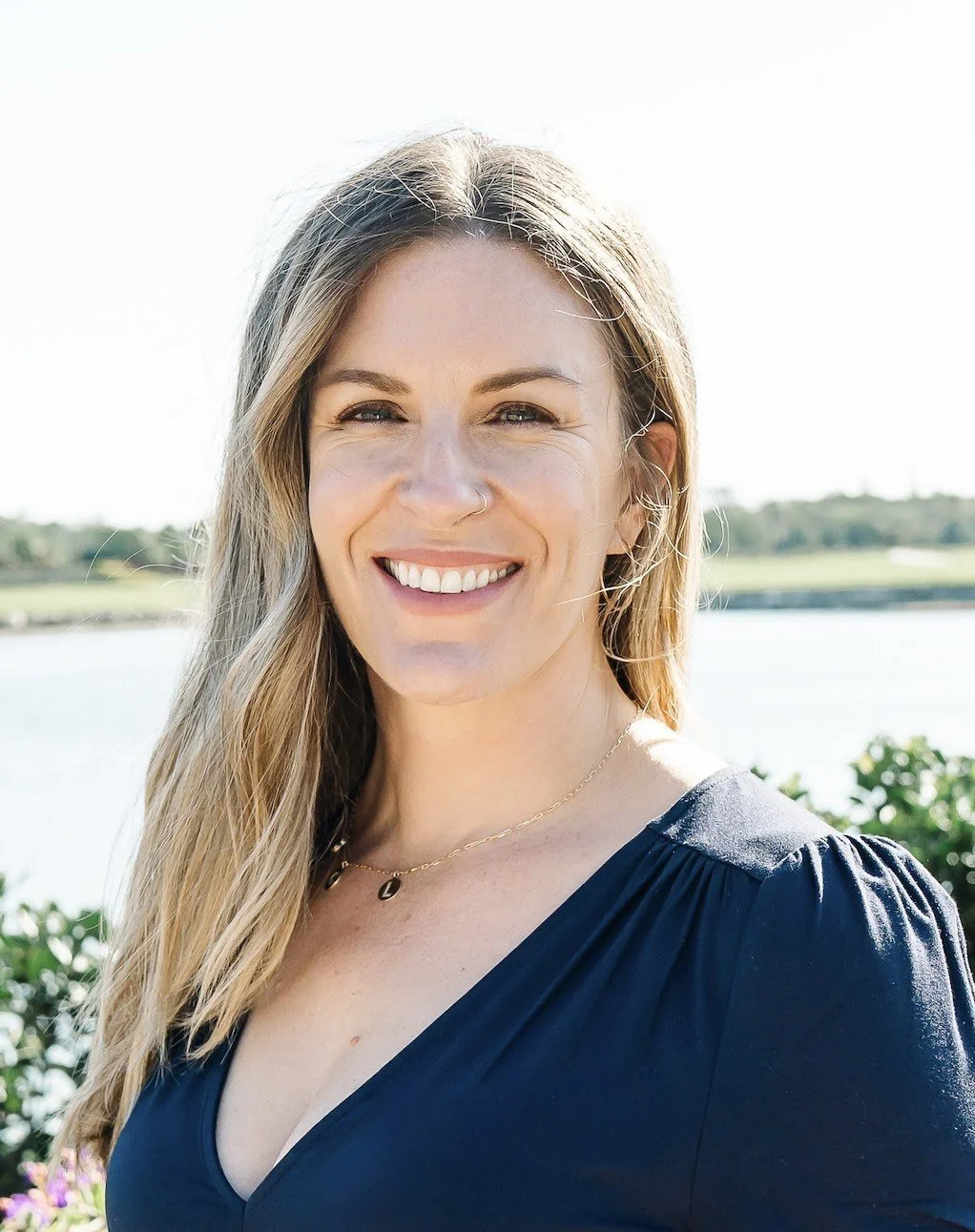


Nicola Fox, PhD
Associate Administrator, Science Mission Directorate
As the Associate Administrator (AA) for the Science Mission Directorate, Dr. Nicola Fox directs ~100 NASA missions to explore the secrets of the universe–missions that use the view from space to assess questions as practical as hurricane formation, as enticing as the prospect of lunar resources, as amazing as behavior in weightlessness, and as profound as the origin of the universe. As the AA, Dr. Fox creates a balanced portfolio of carefully chosen missions and research goals to enable a deep scientific understanding of Earth, other planets, the Sun, and the universe. These efforts lay the intellectual foundation for the robotic and human expeditions of the future, while meeting today’s needs for scientific information to address national concerns.
Dr. Karen M. St. Germain
Earth Science Division Director, NASA Headquarters
Dr. St. Germain is the Division Director of the Earth Science Division, in the Science Mission Directorate at the National Aeronautics and Space Administration (NASA) Headquarters. She provides executive leadership, strategic direction, and overall management for the entire agency's Earth Science portfolio, from technology development, applied science, and research, to mission implementation and operation.
Prior to coming to NASA, Dr. St. Germain was the Deputy Assistant Administrator, Systems (DAAS), for NOAA's Satellite and Information Service, where she guided the development and deployment of NOAA's major satellite programs. She previously served as Director of NOAA's Office of Systems Architecture and Advanced Planning, and from 2011 to 2016 served in the Office of the Under Secretary of Defense for Acquisition, Technology and Logistics, where she led the DoD 2014 Strategic Portfolio Review for Space.
Dr. St. Germain has a research background at the University of Massachusetts, the University of Nebraska, and the Naval Research Laboratory, including fieldwork aboard Arctic and Antarctic icebreakers, flights through hurricanes on NOAA's P-3 aircraft, and glacial research on the Greenland ice sheet. She holds a B.S. in electrical engineering from Union College and a Ph.D. in Electrical Engineering from the University of Massachusetts, and is a Distinguished Graduate of the National War College.
Tom Neumann, PhD
Deputy Director of the Earth Sciences Division at NASA Goddard
Tom Neumann became the Deputy Director of the Earth Sciences Division at NASA Goddard in September 2022 where he helps oversee and guide the incredibly diverse portfolio of research, flight, and modeling projects. Tom's scientific work at Goddard has focused on ICESat-2, the next-generation laser altimeter which launched in 2018. Tom now serves as the ICESat-2 Project Scientist, after serving as the Deputy Project Scientist during the development and implementation stages of ICESat-2 from 2008 to 2018. He also served as the Cryospheric Sciences Lab Chief from Jan 2020 through October 2021. His research included both theoretical and experimental studies of the chemical, physical, and thermodynamic properties of polar snow and ice. He has been involved extensively in field work on the Greenland and Antarctic ice sheets, leading four expeditions and participating in five others between the two poles. Past work has involved studies of snow chemistry on the East Antarctic plateau and calibrating ICESat altimetry data using ground-based GPS surveys in Antarctica.
Tom joined NASA Goddard Space Flight Center in October 2008. Prior to that, he was an assistant professor in the Geology Department at the University of Vermont. He remains an Affiliate Assistant Professor in Earth and Space Sciences at the University of Washington. He earned a B.A. in geophysical science from the University of Chicago, and a Ph.D. in geophysics from the University of Washington
Emily Sylak-Glassman, PhD
Deputy Associate Director for Earth Action, NASA Earth Science Division
Dr. Sylak-Glassman is the Deputy Associate Director for Earth Action in NASA's Earth Science Division at Headquarters in Washington, D.C., where she manages a broad portfolio of efforts that develop practical and innovative applications from data collected by NASA's satellite missions.
Previously, she was a senior policy analyst at NASA's Office of Technology, Policy, and Strategy, and before joining NASA, she worked at the Science and Technology Policy Institute, a federally funded research and development center, supporting the White House Office of Science and Technology Policy and executive branch agencies.
Dr. Sylak-Glassman earned a Ph.D. in chemistry from the University of California, Berkeley, and B.S. degrees in chemistry and biological chemistry from the University of Chicago.
Cordelia Hiers Brady
NASA Earth Action Agriculture Program Coordinator
As the Agriculture Program Coordinator at NASA Headquarters, I support Earth Action’s Agriculture Program in managing and executing innovative, data-driven initiatives to tackle global food security and agricultural challenges. My deep roots in agriculture began early through youth organizations like 4-H and FFA, which sparked a lifelong passion for the industry and ultimately drove me to pursue a career connecting science, land, and communities.
With over a decade of experience across public-private partnerships, I bridge the gap between cutting-edge Earth observation technology, research, and on-the-ground farming practices. In my current role, I oversee the daily management and strategic coordination of NASA’s two flagship agriculture consortia: NASA Acres and NASA Harvest. Beyond consortia management, I spearhead workforce readiness initiatives for NASA’s Ag Program—with the goal of equipping the next generation of agricultural leaders with satellite data tools—while maintaining cohesion and alignment across the diverse projects within our broader portfolio.
Alyssa K. Whitcraft, PhD
Founding Executive Director, NASA Acres; Research Professor, University of Maryland
Alyssa is a Research Professor in the Department of Geographical Sciences at the University of Maryland, College Park, and the founding Executive Director of NASA Acres, NASA's agriculture consortium focused on strengthening U.S. agriculture. Her passion for agriculture and vision for NASA Acres as a program that centers agricultural producers grew out of her experience as a winery kid in California.
Prior to NASA Acres, she founded and continues to direct the Harvest Sustainable and Regenerative Agriculture Initiative, a consortium of scientists and innovators building a globally consistent understanding of sustainable and regenerative agriculture practices. She was also co-founding Deputy Director of NASA Harvest (2017–2023), has served as Programme Scientist for the G20's GEOGLAM initiative, and has led agriculture efforts for the Committee on Earth Observation Satellites for over a decade.
Mike Humber, PhD
Deputy Director, NASA Acres; Associate Research Professor, University of Maryland
Michael Humber is an Associate Research Professor in the Department of Geographical Sciences at the University of Maryland, with a background in remote sensing, spatial statistics, and geographic data management. He serves as Deputy Director for NASA Acres, Data Lead for NASA Harvest, Lead Scientist for the Climate-Smart Agriculture component of the UMD Climate Resilience Network, and a member of the UMD-NASA Fire Science Team.
His work focuses on developing and distributing satellite-based data products that improve data quality and availability for agricultural decision-makers and farmers, while building inclusive frameworks that involve local stakeholders in the research design process. He leads a team building web and mobile applications and cloud-native data pipelines that support humanitarian, research, and operational partners in the U.S. and abroad.
Natacha Kalecinski, PhD
ASSISTANT RESEARCH PROFESSOR, UNIVERSITY OF MARYLAND
Natacha Kalecinski earned her Ph.D. in atmospheric science at the Ecole Polytechnique, Paris, in 2015, where her research centered on solar irradiance forecasting based on the formation and dissipation of clouds over tropical islands. At the University of Maryland's Department of Geographical Sciences she works in the SALSA team with Sergii Skakun and Jean-Claude Roger, focusing on yield variability assessment from national to local level to improve crop yield forecasting. Since 2021 she has led operational yield forecasting development for several countries; as part of the NASA Harvest team, her research on the impact of the war in Ukraine on crop production was featured by Bloomberg and NASA Earth Observatory: "Larger Wheat Harvest in Ukraine Than Expected" and "Measuring War's Effect on a Global Breadbasket".
Christopher Thorne
Earth Science Division, Science Mission Directorate — NASA Communication Services Contract, NASA Headquarters
With 35 years of experience in media, policy, and strategic communications, Chris Thorne supports outreach and message development for NASA's Earth Science Division as an independent sub-contractor.
Thorne began his career in journalism at local newspapers in New York's Hudson Valley before joining the Associated Press, where as an AP correspondent he covered agriculture around the country and in Washington, D.C. He went on to serve as chief of public affairs and communications for U.S. Senator Kent Conrad of North Dakota, covering issues from the Farm Bill to taxes, health care, and defense.
Thorne later led public affairs for Growth Energy, an ethanol advocacy organization, and then ran communications and public affairs for the Beer Institute. He launched Independent Public Affairs, LLC in 2018, with clients including NASA, NOAA, the Centers for Disease Control, and the Special Olympics.
Thorne is a graduate of Pace University's College of White Plains with a B.A. in Journalism. A native of Philadelphia, he now lives in Silver Spring, Maryland, with his family.
Forrest S. Melton
Senior Research Scientist, NASA Ames Research Center, Atmospheric Sciences Branch
Forrest Melton is a Senior Research Scientist with the Earth Sciences Division at NASA Ames Research Center, where he currently serves as Associate Program Manager for Water Resources and Agriculture with the NASA Applied Sciences Program and as NASA Project Scientist for OpenET.
Since 2003, he has worked at NASA Ames on the development of modeling and satellite-driven decision support frameworks including OpenET, the Satellite Irrigation Management Support (SIMS) system, the NASA Earth Exchange (NEX), and the Terrestrial Observation and Prediction System (TOPS). His research focuses on applications of satellite data to improve management of natural resources, evapotranspiration and agricultural water requirements, and ecosystem and carbon cycle modeling.
Forrest holds B.S. and M.S. degrees in Earth Systems Science from Stanford University and has authored over fifty papers and book chapters on applications of remote sensing. In 2022, he was awarded the NASA Exceptional Public Service Medal for his efforts to advance the use of remotely sensed evapotranspiration data in water resources management.
Allison Bredder
Strategic Engagement Officer, NASA Acres
As Strategic Engagement Officer at NASA Acres, Allison helps build connections between Earth observation science and the agriculture community to co-create tools that use satellite data to support everyday decisions on the farm and strengthen resilience to climate challenges.
She is also a Postdoctoral Associate in the Department of Geographical Sciences at the University of Maryland, where her research focuses on understanding the health impacts of wildfire smoke using remote sensing, machine learning, and epidemiological methods. Her broader expertise spans optical remote sensing, data visualization, and science communication, and she has contributed to projects funded by NOAA, NASA, and ARLIS.
Jacob Orser
Program Support Specialist, NASA Acres
Jacob Orser is a Program Support Specialist at NASA Acres, a consortium focused on U.S. domestic agriculture. He studied geography and economics at Macalester College, with an emphasis on food, agriculture, and society, and his work includes analysis of remote sensing to quantify crop quality and estimations of supply elasticities and farmers' indifference curves.
Jacob is driven by a passion for knowledge transfer and education, and is committed to connecting with experts across the agricultural sector to promote the secure transfer of data. His work at NASA Acres focuses on bridging the gap between cutting-edge research and practical applications, ultimately benefiting farmers, researchers, and policymakers.
Kaiyu Guan, PhD
Chief Scientist, NASA Acres; Levenick Endowed Professor, University of Illinois Urbana-Champaign
Kaiyu Guan is the Levenick Endowed Professor in agroecosystem sensing and modeling at the University of Illinois Urbana-Champaign, Founding Director of the Agroecosystem Sustainability Center (ASC), and Chief Scientist of the NASA Acres Consortium. His research group uses advanced process models, satellite sensing technology, fieldwork, and artificial intelligence to understand how climate and human practices affect crop productivity, water resources, and environmental sustainability.
His team applies this work to large-scale crop monitoring and forecasting, quantification of greenhouse gas emissions, agricultural policy design, and water management and sustainability, both across the U.S. and worldwide.
Ignacio Ciampitti, PhD
Professor of Agronomy, Purdue University; Co-Director, Institute for Digital and Advanced Agricultural Systems (IDAAS) — Oklahoma portion of the tour only
Ignacio Ciampitti is a quantitative agronomist focused on the integration of digital agriculture in complex farming systems. He has joined Purdue University as co-director of the Institute for Digital and Advanced Agricultural Systems (IDAAS) and a full professor in the agronomy department, after previously serving as one of the founding directors of the Institute for Digital Agriculture and Advanced Analytics at Kansas State University.
Ciampitti holds a bachelor's and master's degree from the University of Buenos Aires and a Ph.D. in agronomy from Purdue. His research explores the integration of crop eco-physiology and plant nutrition with data science, remote sensing, and crop modeling tools, and he has trained many graduate students, research scholars, and postdoctoral researchers over his career.
Alex Ruane, PhD
Co-Director, NASA GISS Climate Impacts Group; Columbia University; AgMIP Science Coordinator
Dr. Alex Ruane is a Research Physical Scientist at the NASA Goddard Institute for Space Studies and an adjunct Associate Research Scientist at the Columbia University Center for Climate Systems Research in New York City.
Alex serves as Research Coordinator and Climate Team Leader for the Agricultural Model Intercomparison and Improvement Project (AgMIP), an international, transdisciplinary project connecting climate science, crop modeling, and economic modeling to assess the global impacts of climate change on agriculture and food security.
His research uses climate and impacts assessment models to examine the influence of climate variability and change on agriculture, water resources, and other sectors, leading to the development of adaptation strategies and decision support tools for stakeholders and policymakers. Alex received a B.S. in atmospheric science from Cornell University and completed his doctoral work at the Scripps Institution of Oceanography.
QUESTIONS?
Contact Tillery Timmons-Sims
Lead Planner, Space4Ag Tour 2026 — Sandhills Area Research Association
Phone: 806-240-0210
Email: contact@sara-conservation.com