

Episode 81: Regional Expo Center: Agriculture, Economy, and the Long Game
In this episode of Conservation Stories, hosted by Tillery Timmons-Sims, Tillery sits down with Randy Jordan and Dr. Jim Mazurkiewicz to unpack the long road behind the proposed Lubbock County Expo Center and why it matters for West Texas. Drawing on Dr. Jim’s decades-long experience helping bring the Brazos County Expo Center to life and Randy’s leadership in guiding Lubbock’s effort, the conversation explores vision, persistence, funding strategies, public trust, and the real economic impact these facilities create beyond their walls. Together, they discuss how community buy-in, phased development, and long-term thinking can turn a bold idea into a generational investment that supports agriculture, drives regional growth, and strengthens the entire South Plains.
Episode 79: Protecting Cotton: Research, Pests, and Practical Solutions
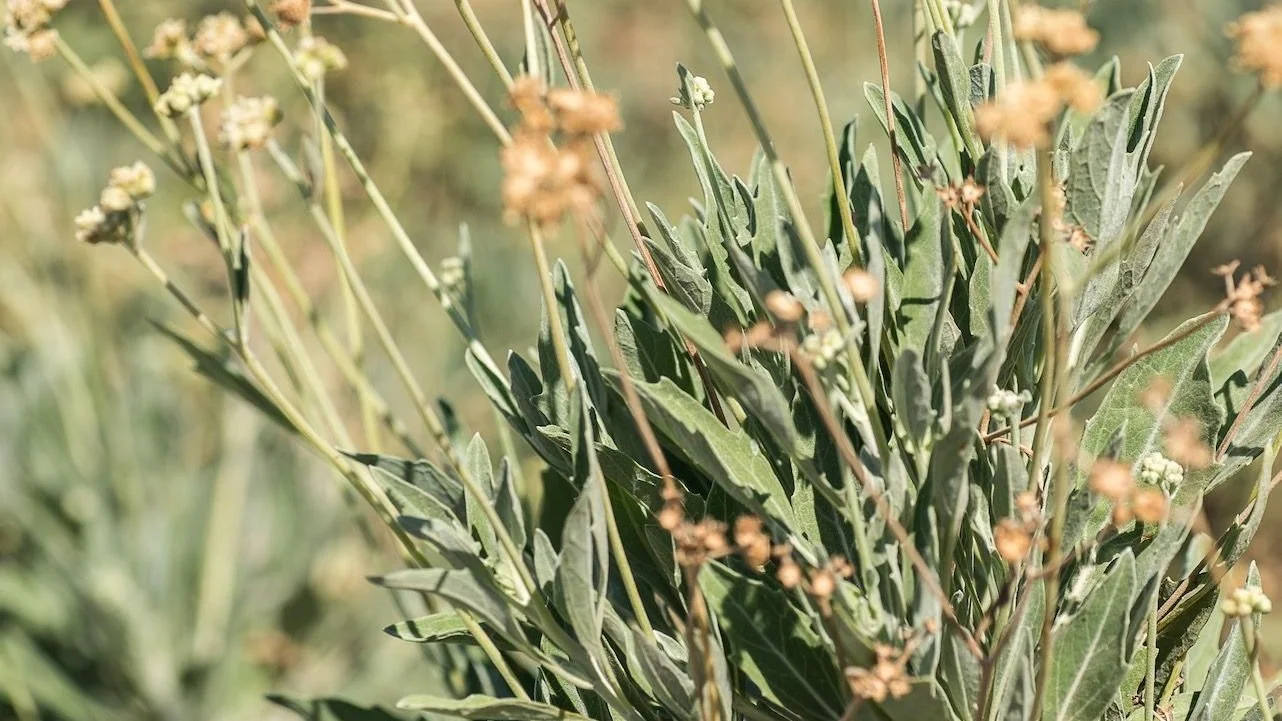
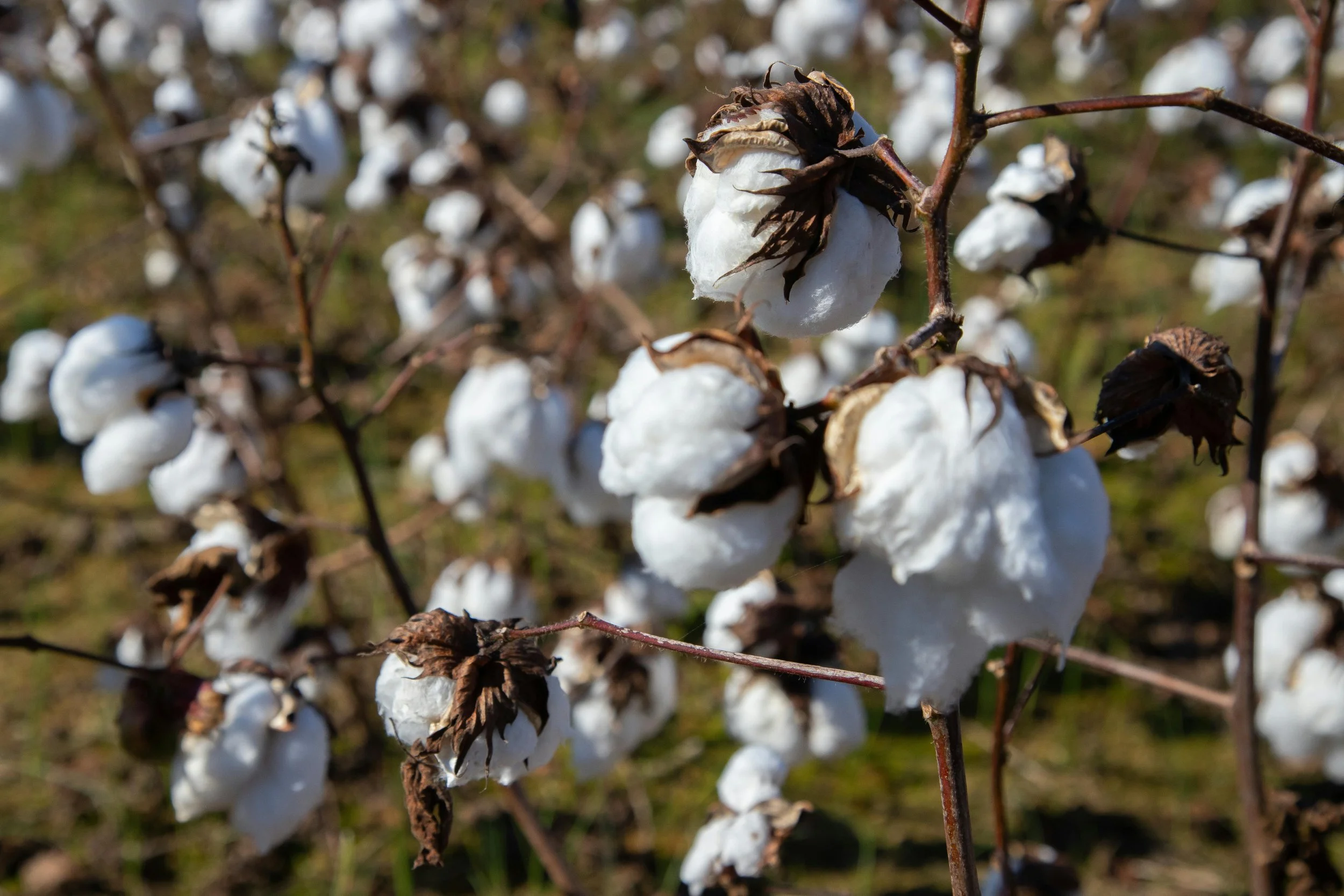
In this episode of Conservation Stories, host Tillery Timmons-Sims talks with Kerry Siders, Extension Program Specialist with Texas A&M AgriLife, about the critical role applied research plays in West Texas agriculture. Drawing on decades of experience at the Barker Research Farm, Kerry shares how extension bridges the gap between university science and on-the-ground decision-making for producers.
The conversation covers cotton production, integrated pest management, emerging threats like the cotton jassid, and how research and education help farmers adapt to changing conditions while balancing innovation and conservation. This episode offers a concise look at how practical research supports resilient farms and rural communities across the South Plains.
Episode 76: Behind the SNAP Program: Hunger, Policy, and Real People
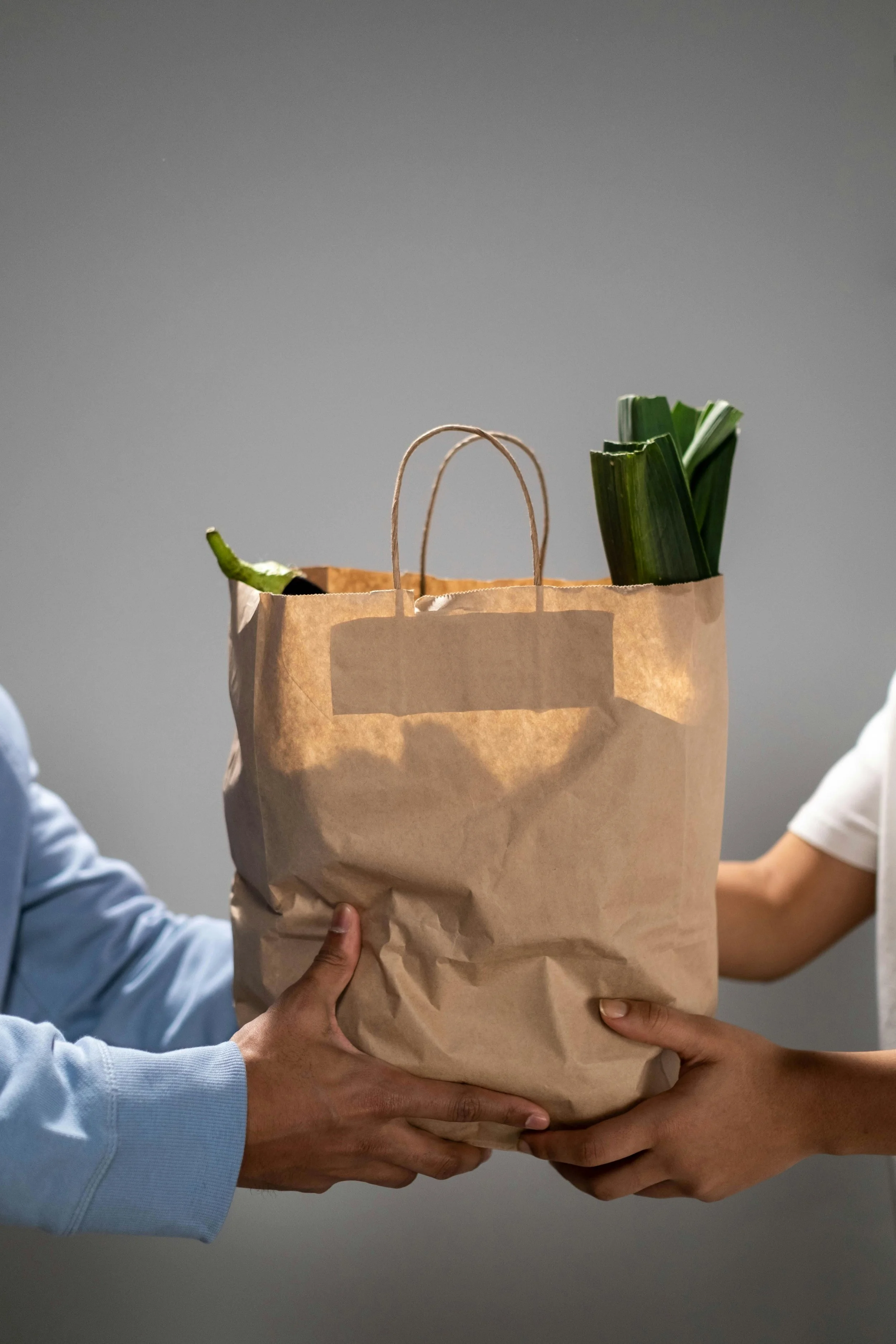
In this episode of Conservation Stories, host Tillery Timmons-Sims sits down with Brandon Lipps to unpack the realities of hunger, food insecurity, and the Supplemental Nutrition Assistance Program (SNAP) through the lens of Brandon’s extensive experience in agricultural policy and public service. Drawing from his work on the U.S. House Agriculture Committee, leadership at USDA’s Food and Nutrition Service, and ongoing involvement with Midwest Food Bank, Brandon offers a balanced, firsthand perspective on how SNAP works, who it serves, and why it remains both essential and deeply complex.


Episode 70: Biochar, BioNectar, and the Backyard: Microbes That Scale
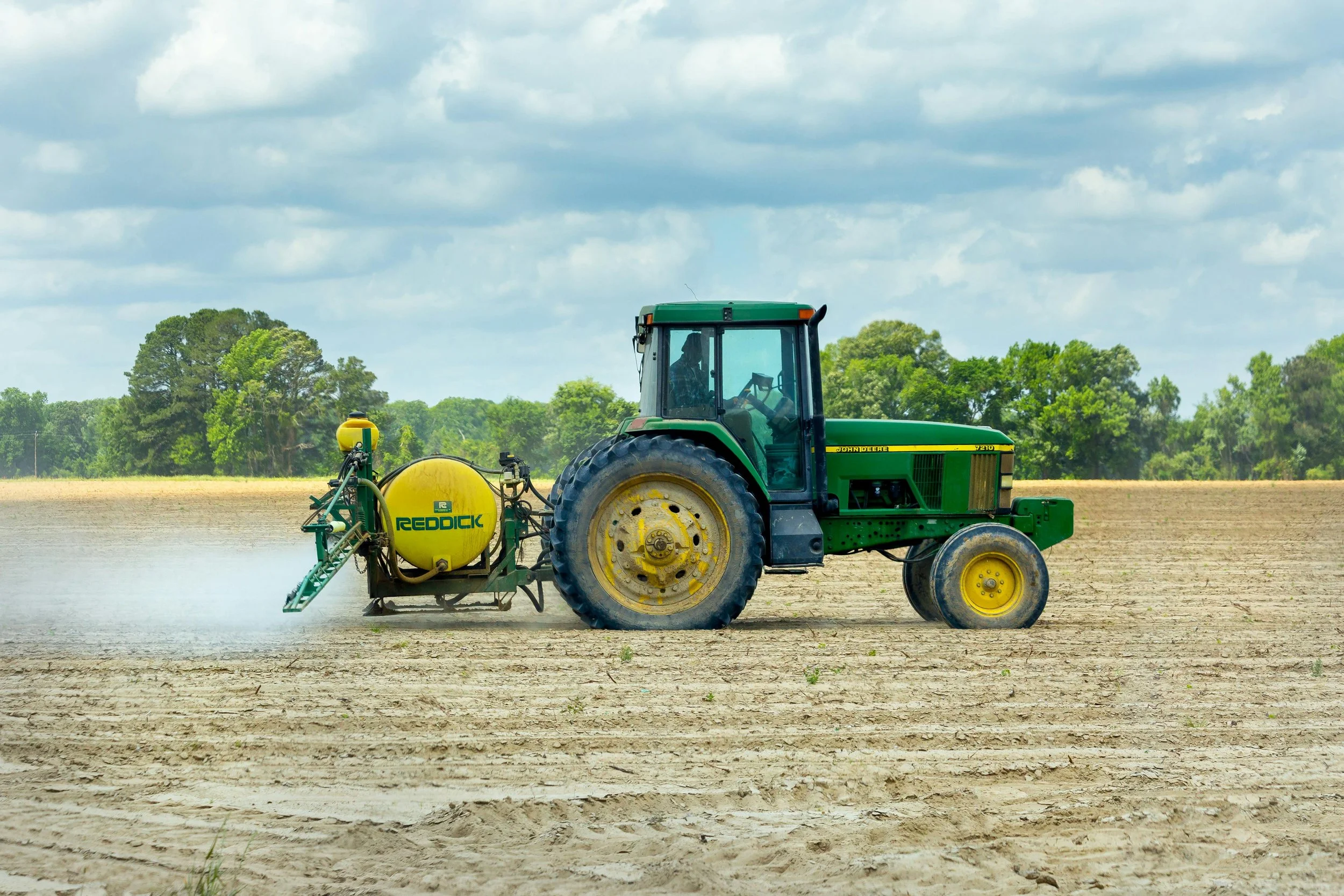
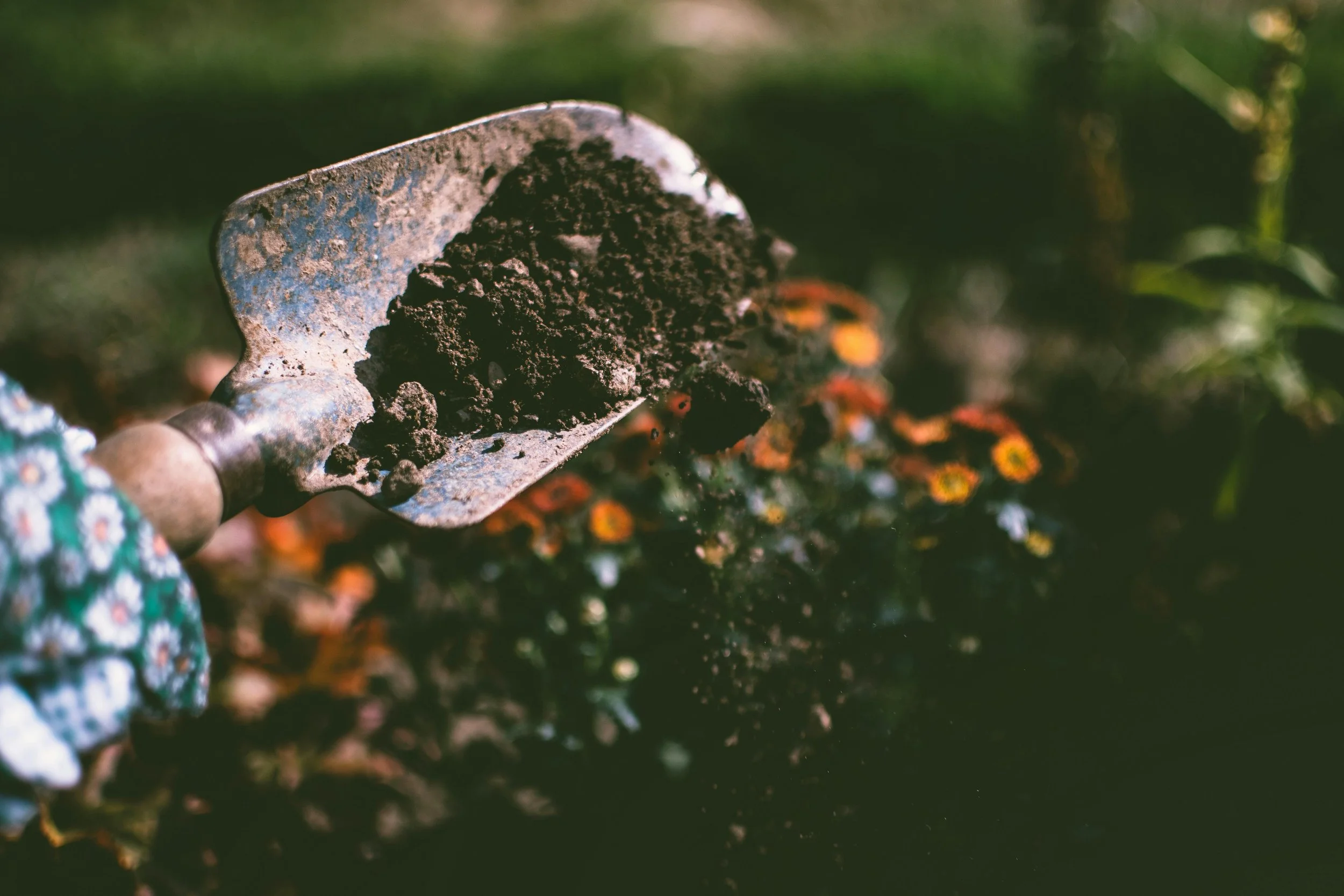
Tillery welcomes Texas A&M AgriLife’s Katie Lewis (soil scientist) and Todd Bauman for a wide-ranging, practical look at West Texas agriculture in 2025. After a season of timely rains and minimal hail that buoyed research plots and grower morale, they confront the tough flip side: depressed commodity prices across cotton, corn, sorghum, and beans. Katie traces her path from South Texas farming roots to 11 years of High Plains research on optimizing systems—cover crops, reduced/no-till, crop rotations, and fertility beyond just nitrogen (notably persistent potassium issues in cotton). The trio spotlights long-term trials at the Dawson County farm, cross-university collaborations, and pest/disease work (including nematodes). They unpack why diversification is hard here—specialized cotton infrastructure, water limits, and economics—while noting cotton’s drought tolerance and the rising interest in animal integration/grazed forages as a risk-management tool. Soil biology takes center stage: carbon’s functional benefits, microbe-driven nutrient cycling, and field work with biologicals like free-living N fixers and MyLand’s on-farm algae systems. Throughout, they stress that “regenerative” isn’t a one-size recipe; success is site-specific, farm-level, and must pencil out. The episode closes with a call for life-size, long-horizon trials replicated across soil types—and closer grower–consumer relationships over checkbox certifications.

Episode 69: Rain, Risk & Regeneration on the High Plains
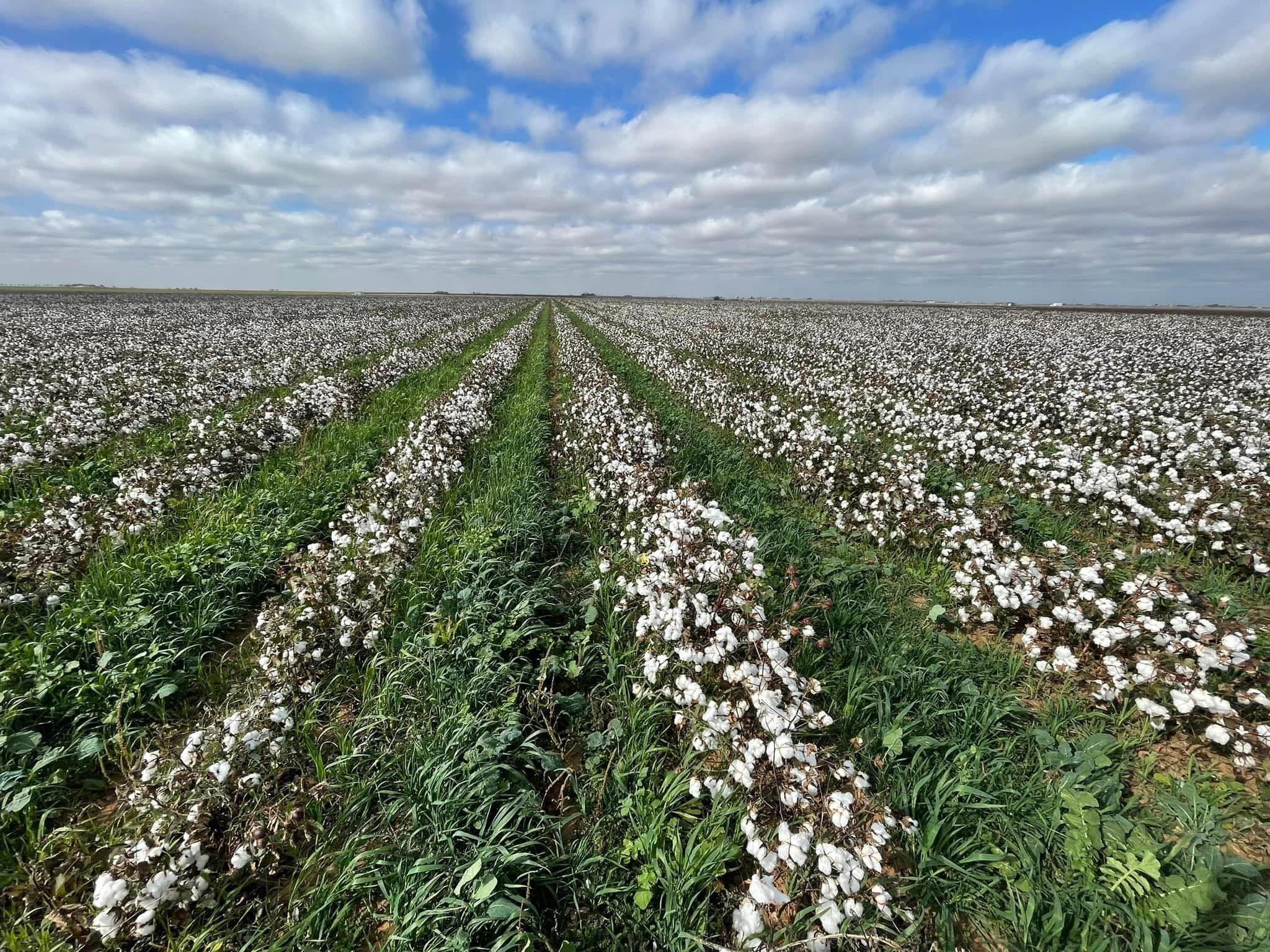
Tillery welcomes Texas A&M AgriLife’s Katie Lewis (soil scientist) and Todd Bauman for a wide-ranging, practical look at West Texas agriculture in 2025. After a season of timely rains and minimal hail that buoyed research plots and grower morale, they confront the tough flip side: depressed commodity prices across cotton, corn, sorghum, and beans. Katie traces her path from South Texas farming roots to 11 years of High Plains research on optimizing systems—cover crops, reduced/no-till, crop rotations, and fertility beyond just nitrogen (notably persistent potassium issues in cotton). The trio spotlights long-term trials at the Dawson County farm, cross-university collaborations, and pest/disease work (including nematodes). They unpack why diversification is hard here—specialized cotton infrastructure, water limits, and economics—while noting cotton’s drought tolerance and the rising interest in animal integration/grazed forages as a risk-management tool. Soil biology takes center stage: carbon’s functional benefits, microbe-driven nutrient cycling, and field work with biologicals like free-living N fixers and MyLand’s on-farm algae systems. Throughout, they stress that “regenerative” isn’t a one-size recipe; success is site-specific, farm-level, and must pencil out. The episode closes with a call for life-size, long-horizon trials replicated across soil types—and closer grower–consumer relationships over checkbox certifications.

Episode 68 • Crop Insurance, Food Security, and the Real Cost of Farming
In this episode of Conservation Stories, host Tillery Timmons Sims sits down with crop insurance expert and lifelong cotton industry advocate Delinda Hicklin to unpack one of agriculture’s most misunderstood topics — crop insurance. Together, they explore how the program evolved from the 1980s farm crisis into today’s vital safety net for U.S. farmers, protecting not just individual livelihoods but the nation’s food and fiber security.

Episode 67 • Beefy: The Brisket Chip Changing the Way We Think About Snacks
In this episode of Conservation Stories, host Tillery Timmons-Sims sits down with Navy veteran Billy Knox and barbecue pitmaster Ian Timmons to share the story behind Beefy, a Lubbock-based startup transforming brisket into an innovative, healthy snack. Born out of Ian’s legacy at Tom & Bingo’s Barbecue and fueled by Billy’s logistical expertise, Beefy is creating high-protein, preservative-free meat chips that are winning fans for their unique texture and flavor—crispy like a chip, buttery like bacon.
Episode 66 • Ecosystem Services and Farmer-Led Conservation with Brian Gilvesey
In this episode of Conservation Stories, host Tillery Timmons-Sims talks with Canadian rancher and conservation leader Brian Gilvesey about the ALUS (Alternative Land Use Services) program, a farmer-driven initiative that pays landowners for producing ecosystem services like clean water, biodiversity, soil health, and carbon storage.

Episode 65 • Farming Data, Water Innovation, and Resilient Living with Billy Tiller
In this episode of Conservation Stories, host Tillery Timmons-Sims sits down with Billy Tiller, a fifth-generation cotton farmer, entrepreneur, and data solutions innovator from West Texas. Billy shares his journey from farming and ag banking to launching technology ventures focused on ag data cooperatives and water management solutions. He explains how his work in Nebraska’s Twin Platte Natural Resource District helped pioneer a large-scale project using electric smart meters to track irrigation more accurately and encourage conservation—an approach now viewed as a model across the state.

Episode 64 • From Satellites to Soil: Bringing NASA Remote Sensing to West Texas Farms
In this episode of Conservation Stories, host Tillery Timmons-Sims welcomes Tony Vorster and Nick Young, researchers at Colorado State University’s Natural Resource Ecology Lab, to explore how NASA’s remote sensing technology can directly support farmers and ranchers. With years of experience in applied research and the NASA Develop Program, Tony and Nick explain remote sensing in everyday terms—how satellites measure landscapes, track vegetation, and provide insights on soil moisture, biomass, flood risks, and long-term land changes.

Episode 63 • Conservation Easements: Opportunities, Misconceptions, and Legacy Planning with Jim Bradbury
In this episode of Conservation Stories, host Tillery Timmons-Sims sits down with agricultural law expert Jim Bradbury to unpack the complexities of conservation easements—what they are, how they work, and why they’re gaining popularity across Texas. Together, they explore how easements provide landowners with tools to preserve property for future generations, manage estate planning, and protect against fragmentation, all while maintaining agricultural productivity.

Episode 62 • Securing Farm Labor: Legal Pathways and Lasting Impact with Joe Martinez
In this episode of Conservation Stories, host Tillery Timmons-Sims speaks with Joe Martinez, founder of a nonprofit dedicated to helping U.S. farms legally recruit agricultural workers through the H-2A, H-2B, and TN visa programs. With decades of agricultural labor challenges as the backdrop, Joe explains how his organization connects farmers with trained, reliable laborers from Mexico, Guatemala, and beyond—offering not just workers, but long-term relationships that support both farm productivity and community development.

Episode 61 • Lubbock Waters: History, Conservation, and a Vision for the Future with Dr. John Beusterien
In this episode of Conservation Stories, host Tillery Timmons-Sims talks with Dr. John Beusterien, professor at Texas Tech and founder of the Lubbock Waters project. With a background in literature and history, John shares how his curiosity about the land, culture, and ecology of West Texas led him to water—our most vital and fragile resource.

Episode 60 • Navigating Pesticide Regulations: Understanding the Science, Impact, and Process with Leah Duzy
In this episode of Conservation Stories, host Tillery Timmins Sims sits down with Leah Doozy from Compliance Services International (CSI) to dive into the world of pesticide regulation and its complex relationship with environmental and agricultural practices. Leah shares her extensive background in agricultural economics and conservation, shedding light on the intricate process of getting pesticides approved by the EPA, the importance of labels in regulating chemical use, and the growing concern for endangered species. The conversation highlights the balance between using chemicals for agricultural efficiency and the potential environmental impacts, such as pesticide resistance and soil health. Leah also discusses the evolving nature of regulation, from EPA's early struggles with endangered species protection to their current strategies for mitigating the risks posed by pesticides. This episode offers a unique perspective on the intersection of science, policy, and agriculture, providing listeners with a deeper understanding of how decisions made in the regulatory space affect the environment, farmers, and consumers.